

Home Renovation Trends That Work for Real Life
A renovation should make a property easier to live in, easier to maintain, and better suited to the people who use it every day. The most worthwhile home renovation trends are not built around a quick photo opportunity. They solve real problems: cramped kitchens, bathrooms without storage, worn-out flooring, unfinished basements, and exteriors that no longer protect the home the way they should.
For homeowners across Bucks, Montgomery, Philadelphia, and Delaware Counties, the direction is clear. People are choosing durable materials, warmer finishes, more useful layouts, and updates that add long-term value without turning every room into a copy of the latest showroom. The right choices depend on the age of the home, the condition of the existing structure, and how the space needs to perform.
Home Renovation Trends Built for Everyday Use
Kitchens are becoming work zones, not just showpieces
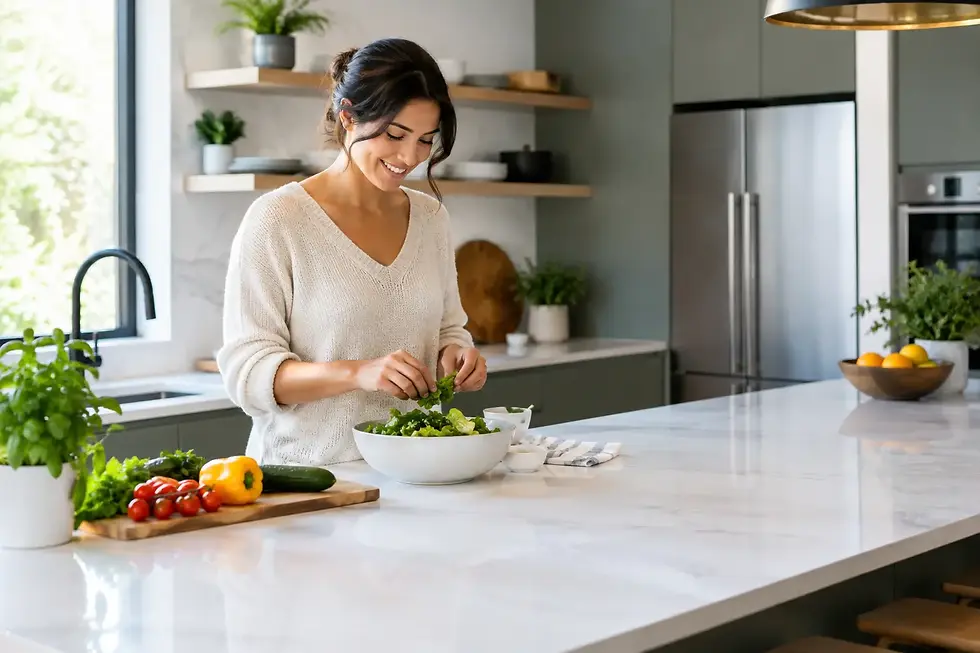
White kitchens still have a place, but many homeowners are moving toward a more grounded look. Natural wood tones, painted islands, textured tile, stone-look countertops, and mixed metal hardware bring character without making the room feel dated. The bigger change is in how kitchens function.
More projects include deeper drawers, pantry storage, pullout organizers, larger islands, and better task lighting. A kitchen does not need to be oversized to work well. In many homes, a smarter cabinet layout and improved circulation do more than removing every wall in sight.
Open floor plans remain popular, but fully open is not always the answer. Partial walls, wide cased openings, and peninsula layouts can maintain connection between rooms while giving homeowners more cabinet space and visual separation. This is especially useful in older Southeast Pennsylvania homes where every wall may have a structural or practical purpose.
Bathrooms are getting quieter and more practical
A bathroom renovation is increasingly about comfort and efficient use of space. Curbless showers, built-in niches, larger-format wall tile, floating vanities, and layered lighting are common requests because they reduce visual clutter and improve daily routines.
Walk-in showers are a strong choice when replacing an underused tub, but they are not right for every home. Families with young children may want to keep at least one bathtub. Proper waterproofing, drainage, ventilation, and tile installation matter more than any fixture selection. A beautiful shower that is not built correctly can create expensive problems behind the walls.
Homeowners are also choosing finishes that feel warm rather than stark. Soft whites, clay tones, muted greens, wood-look vanities, and brushed metal fixtures offer a clean appearance without the cold feel of an all-gray room.
Flexible rooms earn their square footage
The demand for dedicated home offices has shifted toward flexible rooms that can serve more than one purpose. A spare bedroom may become a guest room and office. A finished basement may include a media area, workout space, playroom, and storage. Even a small landing or unused corner can support a compact workstation with custom shelving and proper lighting.
Basement buildouts are especially valuable when the main floors already feel full. Before selecting flooring or finishes, address moisture, insulation, ceiling height, electrical needs, and egress requirements. A finished basement should feel like part of the house, not a temporary room built below it.
Materials That Hold Up Without Looking Industrial
Durability is one of the most useful home renovation trends because it protects the investment after the contractor leaves. Homeowners are asking for surfaces that can stand up to pets, children, wet boots, heavy traffic, and routine cleaning while still looking finished.
Luxury vinyl plank remains a practical flooring option for basements, kitchens, and busy households. It is water-resistant, comfortable underfoot, and available in convincing wood and stone looks. Hardwood still brings unmatched warmth and can add value, but it requires more care around moisture and scratches. The best flooring choice depends on the room, the subfloor, and the household, not just the look of a sample board.
Tile continues to be a dependable choice for bathrooms, entryways, mudrooms, and backsplashes. Larger tiles can create a cleaner visual line with fewer grout joints, while smaller tiles are often better for shower floors where slip resistance and slope matter. Natural stone makes a strong visual statement, but it may need sealing and more regular maintenance than porcelain.
Paint and wall finishes are moving away from one-color-everywhere thinking. Accent walls are being used with more restraint, while panel molding, wainscoting, beadboard, and textured finishes add dimension in dining rooms, hallways, offices, and powder rooms. These details work best when they fit the scale and character of the property. In a historic home, simple millwork may feel more appropriate than an overly decorative treatment.
Exterior Updates Are About Protection First
Curb appeal matters, but exterior renovations should begin with the parts of a property that keep water and weather out. Aging siding, damaged masonry, cracked concrete, failing trim, and worn exterior paint can become larger repair issues if left alone.
Siding updates remain popular because they can improve appearance, reduce maintenance, and address hidden damage at the same time. The right installation includes proper flashing, trim work, and attention to areas around windows, doors, and rooflines. A new color alone cannot fix an exterior that has moisture issues underneath.
Outdoor living improvements are also becoming more functional. Homeowners are repairing or expanding concrete patios, adding privacy fencing, updating walkways, and improving the connection between the house and yard. These projects can make a property easier to enjoy while improving access, drainage, and security.
How to Choose Trends That Will Still Make Sense Later
A trend is useful when it supports the way you live and fits the property. Before choosing finishes, start with the problems you want the renovation to solve. Maybe the kitchen has no storage, the bathroom lacks ventilation, the basement is wasted space, or the exterior needs restoration before cosmetic work can begin.
Set priorities early. Structural repairs, water management, electrical upgrades, insulation, and quality installation should come before decorative extras. That does not mean a project has to feel basic. It means the finished appearance is supported by work that will last.
It also helps to separate permanent selections from easy-to-change ones. Flooring, cabinetry, tile, countertops, siding, and concrete deserve careful consideration because replacement is disruptive and costly. Paint colors, hardware, mirrors, light fixtures, and furniture can offer more room to take a chance on a current style.
For a home you plan to sell soon, broad appeal and condition may matter most. For a long-term home, personal function should carry more weight. A custom mudroom, a highly organized pantry, or a bathroom designed for aging in place may not be the trendiest feature online, but it can be the best decision for the people living there.
W Brothers Renovations approaches each project with that practical view: match the work to the property, build it correctly, and finish it with care. Whether the job is a targeted repair or a full interior and exterior renovation, clear planning and skilled workmanship are what turn a good idea into a space that works.
The best trend to follow is the one that makes your property stronger, more comfortable, and more useful long after the paint dries.




Comments